Made by firing
Common Brick, and the Back Wall
One clay, one kiln, and three grades of brick out of the same burn. What a builder did with those three grades is written on the outside of half the older buildings in this city, in plain sight and almost never noticed.
- Which bed or works
- Surface clay dug close enough to the yard that a team could make the trip twice in a day.
- How it was dressed
- Soft molded in sanded wooden forms, dried in open sheds, then burned in a temporary kiln built out of the bricks it was firing.
- How it got here
- By wagon from the yard. Too cheap to be worth a freight bill, which is exactly why it is local.
The material
A common brick is clay, water, sand and heat, and nothing else. The clay is whatever the ground gives up within a short haul: a surface clay, weathered, mixed with silt, never especially pure. It is dug, tempered with water until it will take a shape, pressed by hand or by a simple machine into a wooden form dusted with sand so it will let go, turned out, dried in the air under a roof, and burned.
The result is a unit that is soft, absorbent, slightly irregular in size, and cheap in a way no other structural material of its day was cheap.
The kiln decided which brick you got
The burn was not done in a permanent oven. A scove kiln is built out of the green brick itself: the bricks are stacked into a rough rectangle with fire tunnels through the base, the outside is plastered over with clay to hold the heat in, and the whole stack is fired for a week or more.
Heat is not even in a stack like that, so one burn produced a range:
- Brick nearest the fire came out hard, dark, sometimes warped or fused, useful where strength mattered and appearance did not
- Brick in the body of the stack came out sound and reasonably even, the ordinary product
- Brick at the outside came out pale, pink or salmon, underburned and soft enough to weather away in a few decades
Nobody threw the third grade away. It went inside walls, into backing courses behind a better face, and into rear elevations where the street could not see it. Which brings this entry to its point.
Why the back of a building is a different color
Because the front was priced and the back was not.
A builder with three grades out of one kiln, or with the option of buying a dearer pressed brick for a facing, put the good material where it would be looked at and the cheap material everywhere else. A front wall might be a hard, even, close jointed brick laid in a careful bond. The side wall visible from the next property might be ordinary. The rear wall, facing nothing, is often the underburned salmon brick laid with wide joints and no ceremony at all.
This is not decay and it is not corner cutting in any scandalous sense. It is a rational answer to the fact that a wall has two jobs, holding a building up and being seen, and only one of those jobs is done by every wall.
What it means for a soft brick a century later
An underburned brick is porous. Water gets in, freezes, and takes the face off in flakes. On a rear wall this happens quietly for a hundred years and mostly does not matter, because the wall is thick and the damage is skin deep.
It becomes a problem only when somebody treats a soft brick as if it were a hard one. That is the subject of what a mortar joint does, and this publication has nothing to say about anybody's particular building, offers no assessment of one, and names no trade.
Where the yards were
The state geological survey's bulletin on the clays of the state, published at the turn of the century, printed a map of every yard then working, dated to a single day in the summer of nineteen hundred. It is the most useful single sheet on this subject, because a brickyard is a business that closes: a map with a date on it tells you what was true once rather than what somebody remembers.
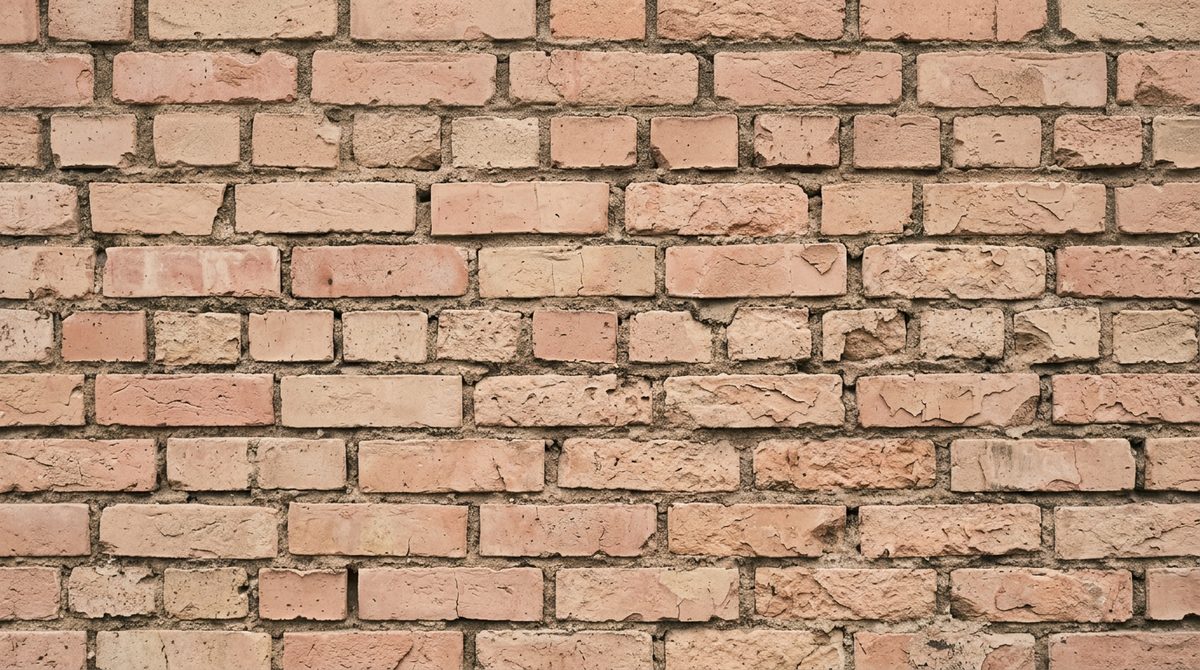
Made by firing, one of five ways in the catalogue